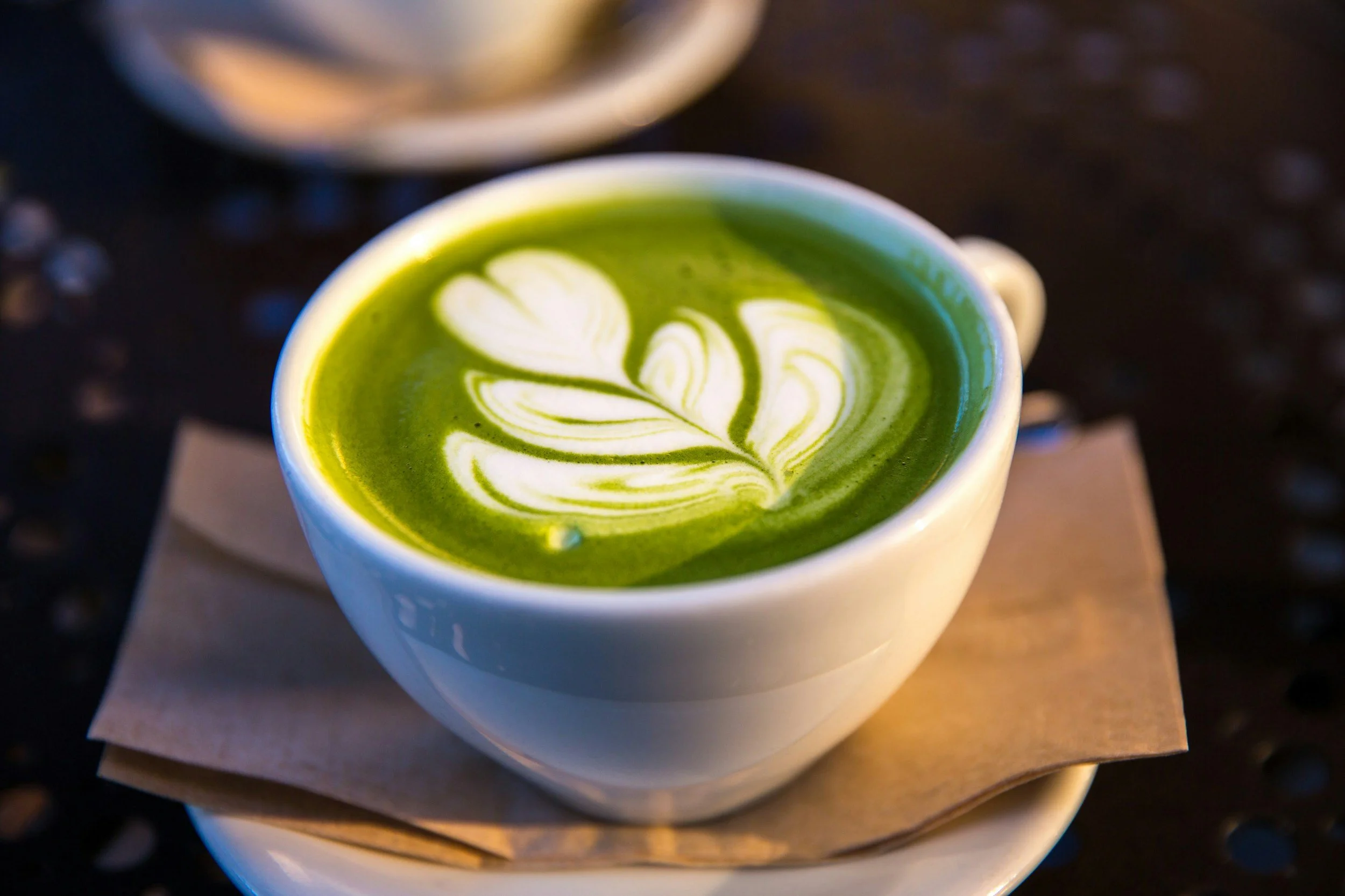
You made the switch from dark roast coffee to matcha hoping to escape the jittery afternoon crash, calm your gut, and clear up your skin. But weeks into the habit, you find yourself dealing with stubborn bloating after meals, dull skin, low iron levels, and a heavy, groggy feeling in your head.
How can a beverage celebrated for cellular detoxification cause sluggishness?
In Traditional Chinese Medicine (TCM), the answer comes down to the relationship between Spleen Qi and the astringent, cold nature of concentrated green tea. Understanding how matcha interacts with your digestive fire explains why this morning habit might be working against your energy.
Spleen Qi: Your Body's Internal Nutrient Engine
In Chinese medical philosophy, the Spleen is the primary organ responsible for digestion, fluid metabolism, and the transformation of food into energy (Qi) and blood.
The Spleen thrives on warmth, dryness, and gently cooked nourishment:
The "Cooling" Burden: Because matcha consists of powdered whole raw tea leaves consumed directly, it is far more concentrated than steeped green tea. Its cold, bitter, and astringent qualities drain the metabolic fire of the Spleen.
Accumulating Internal Dampness: When the Spleen's transformative capacity is weakened by chronic cooling beverages, it can no longer circulate fluids properly. Fluids stagnate into what TCM calls Dampness—the internal equivalent of heavy, humid sludge.
Telltale Signs Matcha Is Draining Your Digestion
If your morning matcha is overwhelming your digestive fire, your body will show these common signals:
Post-Drink Bloating: A feeling of fullness, distention, or mild nausea shortly after drinking your cup.
Persistent Brain Fog: Waking up clear, but feeling heavy-headed, lethargic, and unfocused by mid-morning.
Sticky Digestion: Loose, unformed, or sluggish bowel movements that leave you feeling unrefreshed.
Pale or Sallow Complexion: A loss of natural rosiness in the cheeks and lips, signaling that your body is struggling to generate rich new Blood.
The Blood and Iron Paradox
Women naturally lose blood every single month through menstruation, making them far more vulnerable to Blood deficiency (Xue Xu) than men.
While matcha is often promoted for anti-aging, consuming concentrated green tea with or right after meals directly interferes with how your body builds Blood:
Tannins Block Iron: High concentrations of catechins and tannins bind to non-heme iron from foods like beans, spinach, and grains, washing vital minerals out of the body before they can be absorbed.
Cold Stifles Blood Production: In TCM, Blood is generated by the combined energy of the Spleen and Stomach. If the digestive fire is dampened by cold matcha, your body lacks the enzymatic heat required to manufacture healthy red blood cells.
Smarter Alternatives for Steady Daytime Focus
If you want smooth, sustained focus without chilling your digestive system, try these gentle, warming alternatives:
Roasted Hojicha: Made from the same tea plant as matcha, but slow-roasted over charcoal. The roasting process alters its thermal nature from Cold to Neutral/Warming, soothing the stomach while offering rich flavor and gentle caffeine.
Warm Goji and Longan Tea: A classic TCM elixir that gently builds Blood, sharpens mental clarity, and supports natural complexion radiance without taxing the digestive fire.
Spiced Roasted Dandelion Root: Delivers a deep, rich, coffee-like flavor that supports gentle liver detoxification while remaining gentle on the stomach lining.
Modern Medical Overlaps
This ancient nutritional concept matches clinical gastroenterology:
Epigallocatechin Gallate (EGCG) on an Empty Stomach: High doses of green tea catechins can irritate the gastric mucosa, stimulating excess hydrochloric acid while relaxing stomach motility, which often triggers nausea and acid discomfort in women with sensitive digestive linings.
Bioavailability and Ferritin Depletion: Clinical hematology confirms that routine consumption of polyphenol-heavy green teas alongside meals significantly lowers ferritin (stored iron) levels in pre-menopausal females.
The Takeaway
True wellness is never about blindly following dietary trends—it is about choosing what serves your specific physiology. If concentrated green tea leaves you cold, puffy, and fatigued, swapping it for warm, spleen-supporting alternatives will help rekindle your digestive fire and restore natural radiance.
Discover how The Glow at Heal & Glow helps release stagnant fluid retention, clear dampness, and revive your natural skin vitality from the inside out.
Recent Posts


Categories:
Ear Seeding