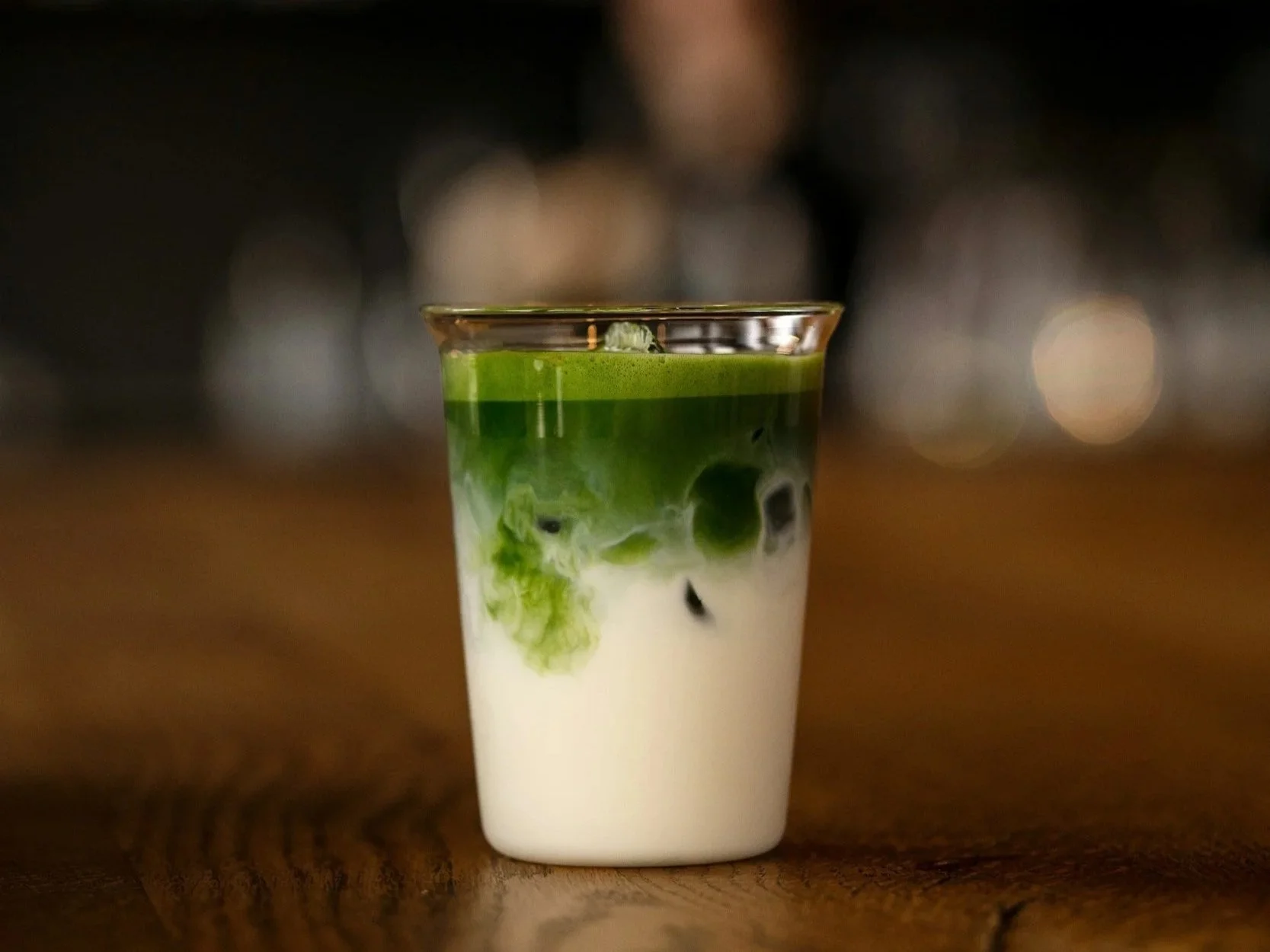
Bright green, rich in antioxidants, and championed across social media as the ultimate clean caffeine boost, matcha has become the default morning ritual for many health-conscious women.
Yet, beneath its glowing superfood reputation lies a side of matcha rarely discussed in modern wellness circles. In Traditional Chinese Medicine (TCM), food and drink are judged not only by their micronutrient count, but by their thermal nature and how they interact with female physiology.
If you deal with painful periods, dark menstrual clots, or chronic fatigue while sipping daily iced matcha, your go-to green beverage might actually be contributing to internal imbalance.
The Energetics of Matcha: Cold, Bitter, and Draining
Matcha is made by stone-grinding whole, shade-grown green tea leaves (Camellia sinensis). Because green tea is minimally oxidized or fermented, its thermal quality remains distinctly Cool to Cold:
Extinguishing the "Internal Fire": While the bitter flavor of matcha helps clear acute toxins and mental heat, excessive consumption directly dampens the digestive flame (Spleen Yang) and maternal core warmth (Kidney Yang).
The Double Chill of the "Iced Latte": When cold-natured matcha powder is blended with cold oat milk and poured over a cup of ice cubes, the drink delivers a severe thermal shock straight into the central meridian pathways.
The Uterine Impact: Creating "Cold in the Womb" (Gong Han)
In TCM gynecology, the uterus requires a warm, fluid, and unimpeded environment for blood and Qi to circulate smoothly:
Vasoconstriction and Blood Stasis: Just like cold temperatures cause water to freeze into ice, internal cold slows down microcirculation in the lower pelvis. Blood flow becomes sluggish, congeals, and creates what TCM calls "Blood Stasis."
The Symptoms: Regular intake of cold-natured drinks can manifest as sharp, cramping period pain that only feels better when you hold a hot water bottle against your lower abdomen. It also frequently leads to dark, purplish menstrual blood with dense clots, delayed cycles, or lighter, scanty bleeds.
Who Should Limit or Avoid Matcha?
You may want to reconsider your daily matcha routine if you recognize any of these constitutional signals:
You frequently suffer from cold hands, cold feet, and low tolerance for air-conditioned rooms.
You experience painful menstrual cramps, PMS bloating, or irregular cycles.
Your tongue appears pale, puffy, or carries teeth marks along the edges (a sign of Spleen Qi deficiency).
You are currently trying to conceive, pregnant, or recovering postpartum.
How to Enjoy It Without Depleting Your Warmth
If you love the taste and calm focus that matcha provides, you can adjust your preparation to safeguard your internal warmth:
Drink It Hot, Never Iced: Always brew matcha with warm or hot water, and avoid dumping ice into the mug.
Balance with Warming Spices: Whisk in a dash of ground ginger, Ceylon cinnamon, or cardamom. These pungent, warming spices help counteract the cold nature of the green tea leaf.
Swap for Blood-Nourishing Warmers: On days leading up to your period, switch your morning latte to warm roasted barley tea, ginger and red date tea, or spiced turmeric lattes.
Modern Medical Overlaps
This TCM perspective aligns with modern physiological research:
Tannins and Non-Heme Iron Absorption: Matcha is exceptionally rich in polyphenols and tannins, which bind tightly to dietary iron in the digestive tract, inhibiting its absorption by up to 60%. For menstruating women already susceptible to iron-deficiency anemia, daily matcha can exacerbate chronic low ferritin and fatigue.
Pelvic Hemodynamics: Cold fluid intake triggers the vagus nerve and localized vascular reflexes, causing peripheral vasoconstriction and pelvic vascular spasms that worsen dysmenorrhea.
The Takeaway
Matcha is not inherently bad, but it is a powerful medicinal herb with a potent cooling effect. For women striving for hormonal harmony, preserving lower-abdomen warmth is paramount. Listening to your cycle and swapping iced green drinks for warming elixirs can make all the difference in relieving monthly pain.
Support your cycle and restore deep internal warmth with The Balance at Heal & Glow, designed to encourage smooth meridian flow and vibrant female wellness.
Recent Posts

Categories:
Ear Seeding