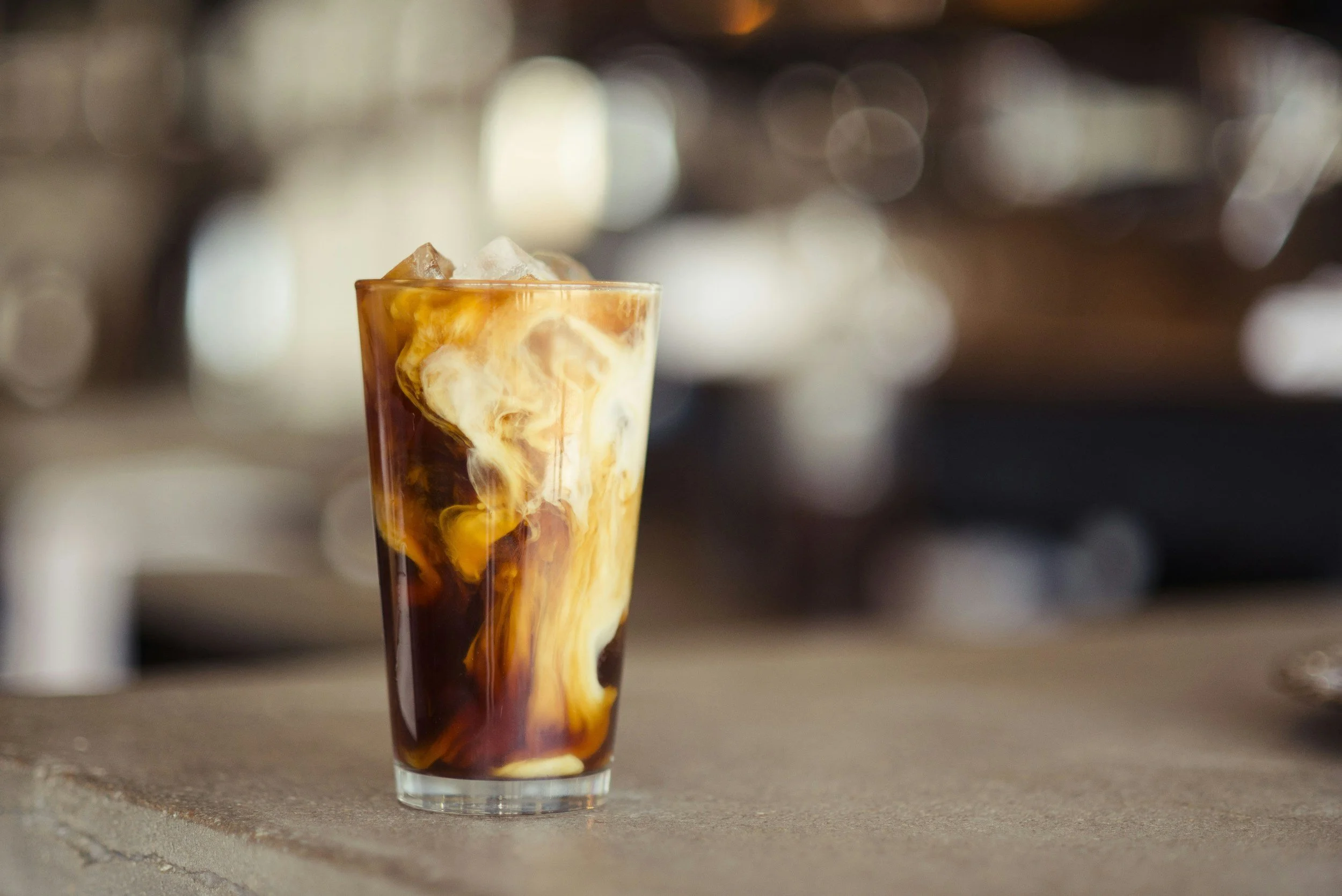
That daily morning routine—an iced coffee paired with a raw kale and fruit smoothie—is widely celebrated as the ultimate health breakfast in Western wellness culture. Yet, many who stick to this routine still suffer from afternoon bloating, sluggish digestion, and constant fatigue.
In Traditional Chinese Medicine (TCM), the issue isn't the nutrients in your food; it's the temperature. Raw salads, cold brews, and iced drinks can douse your digestive fire, making it harder for your body to extract the nourishment it needs.
The "Internal Soup Pot": Understanding Digestive Fire
In TCM, your digestive system—governed primarily by the Spleen and Stomach—functions like a cooking pot sitting over a flame. This flame represents your Digestive Fire (Spleen Qi and Yang).
To break down food, absorb nutrients, and turn meals into usable energy, the "pot" must maintain a warm, active temperature. When you dump ice water, cold brew, or raw frozen ingredients into this simmering pot, you extinguish the flame. Your body is then forced to expend massive amounts of its own vital energy just to warm up the contents before digestion can even begin.
The Thermal Natures of Common Foods
In Traditional Chinese Medicine, foods are categorised by their thermal energy and how they affect your internal balance:
Hot & Warm Foods: Ingredients like ginger, cinnamon, oats, cooked chicken, garlic, and cardamom help ignite your digestive fire, boost circulation, and ease bloating.
Neutral Foods: Everyday staples like steamed rice, carrots, sweet potatoes, and cooked beef are easy to digest and support steady energy without shifting your body's thermal balance.
Cool & Cold Foods: Items like raw spinach, cucumber, ice water, green tea, and cold brew coffee can douse your internal digestive flame, slow down metabolic activity, and cause unwanted dampness.
Do You Have a "Cold Spleen"?
Constantly consuming cold-temperature and thermally cold foods weakens your Spleen Qi over time. Key warning signs of a "Cold Spleen" include:
Post-Meal Bloating: Feeling heavy, puffy, or tight immediately after eating.
Loose Stools: Sluggish digestion leading to unformed or frequent bowel movements.
Post-Lunch Lethargy: Hitting a severe energy wall after eating, feeling like you need a nap.
Cold Hands and Feet: Poor circulation resulting from depleted central internal warmth.
Modern Medical Overlaps
This ancient energetic concept aligns directly with modern physiological processes:
Enzyme Optimal Temperatures: Human digestive enzymes (like pepsin and amylase) operate most efficiently at core body temperature (around 37°C / 98.6°F). Cold liquids drop gastric temperatures, slowing enzymatic breakdown.
Gut Motility & Vasoconstriction: Cold temperatures cause blood vessels in the stomach wall to constrict, reducing localised blood flow needed for active digestion and muscle contractions (peristalsis).
Thermic Effect & Energy Expenditure: Warming cold input requires extra metabolic energy, leaving less energy available for systemic vitality.
Simple Swaps to Protect Your Digestion
You don't need to abandon your favorite foods entirely—just adjust how you prepare and consume them:
Swap Iced Coffee for Warm Alternatives: Try warm drip coffee with cinnamon, roasted barley tea, or warm ginger tea first thing in the morning.
Lightly Cook Your Greens: Instead of raw spinach salads, quickly sauté or steam your greens with a sliver of fresh ginger.
Ditch the Ice Water: Drink room-temperature or warm water throughout the day, especially alongside meals.
Key Takeaway
True nourishment depends on how well your body digests what you eat. By honoring your internal digestive fire with warm, cooked foods and drinks, you give your stomach the optimal environment to thrive—saying goodbye to bloating and reclaiming your energy.
Recent Posts


Categories:
Ear Seeding