
Hair Loss Requires More Than Nourishing the Hair: You Also Need to Care for the Scalp as the “Soil”
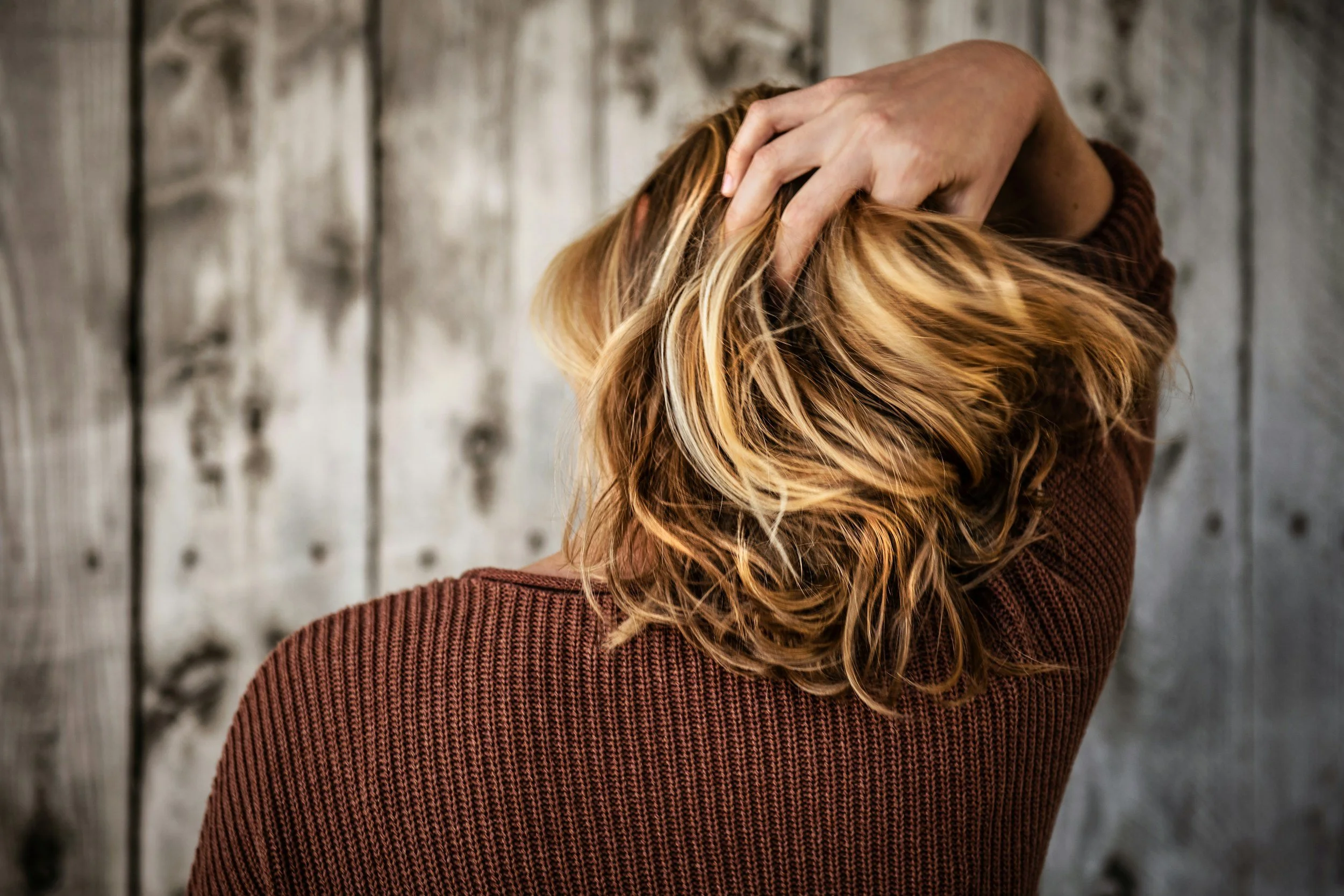
Combing your hair every day and seeing strands scattered across the floor can understandably feel alarming. In Traditional Chinese Medicine, there is a fundamental saying: “The hair is the surplus of blood.” Think of your hair as blades of grass and your scalp as the soil that nourishes them. If you want to improve abnormal hair loss, trying to "fertilize" the hair strands directly is not enough—we must first restore health to the "soil" itself.
Among modern individuals in Hong Kong, hair loss typically stems from two main patterns: stress-related hair loss and oily-scalp-related hair loss. Because their root causes differ significantly, their treatment and care directions must be carefully distinguished.
Pattern 1: Stress-Related Hair Loss
"Soothe the Liver and Nourish the Blood to Rehydrate Dry Soil"
Long-term late nights, mental tension, and emotional anxiety deplete our internal qi and blood, leading to the stagnation of Liver qi. The scalp becomes like a field suffering from prolonged drought—dry, tight, and compacted—making it difficult for vital nutrients to reach the hair roots.
Symptoms: Diffuse shedding, dry or brittle hair prone to breakage, tight scalp, irritability, insomnia, or irregular menstrual cycles.
Recommended Home Care:
Acupressure Massage: Use your fingertips daily to press Taichong (LR3) (located in the depression between the 1st and 2nd metatarsal bones on the foot) to soothe the liver, and Baihui (GV20) (at the center of the crown) to raise clear yang and harmonize blood circulation.
Dietary Therapy (Rose & Mulberry Drink): Steep 5 rosebuds, 10g mulberries, and 3 pitted red dates in hot water. Rose relieves emotional constraint, mulberry nourishes blood/yin, and red dates support qi.
Pattern 2: Oily-Scalp-Related Hair Loss
"Clear Heat and Resolve Dampness to Improve Greasy Soil"
When the body accumulates internal damp-heat, it steams upwards toward the head. The "soil" of your scalp becomes overly damp, hot, and sticky, creating a clogged environment that suffocates the hair roots.
Symptoms: Scalp oiliness, noticeable odor, heavy dandruff, limp or greasy roots, dry/bitter taste in the mouth, sticky stools, and dark yellow urine.
Recommended Home Care:
External Herbal Wash (Ce Bai Ye Water): Boil 30g of fresh (or 15g dried) Ce Bai Ye leaves in 1 liter of water. Simmer for 10 minutes, strain, and let it cool to a warm temperature. After your regular shampoo, massage this herbal water into your scalp and rinse. Use 2–3 times a week to cool the blood and support dark, healthy hair growth. (Avoid if the scalp is broken, inflamed, or has eczema).
Dietary Therapy (Coix Seed & Mung Bean Soup): Cook a handful each of coix seed and mung bean until soft. Coix seed strengthens the spleen to clear dampness, while mung bean clears internal heat. (Note: Avoid if you have a weak, cold stomach or are pregnant).
Recent Posts
Categories:
Ear Seeding
